Thinking about trading a bigger-city pace for a place with easier access, local flavor, and more attainable housing costs? If Lexington, North Carolina is on your radar, you are probably trying to figure out what everyday life really looks like and whether the move makes sense for your budget and goals. This guide breaks down what to know about housing, lifestyle, commuting, and the overall feel of Lexington so you can make a more confident decision. Let’s dive in.
Why Lexington stands out
Lexington is a city of about 19,900 residents in Davidson County, and the city describes itself as a small city with big opportunities. Its location in the Piedmont Triad gives you regional access without the feel of a large urban center. For many buyers and renters, that balance is a big part of the appeal.
If you want a place that feels local and manageable, Lexington offers that smaller-city setting. Census data also points to a value-conscious market, with a median household income of $41,775, a median owner-occupied home value of $158,100, and a median gross rent of $882. Those numbers help frame Lexington as a practical option for people looking for affordability and simplicity.
Lexington also reflects a diverse community. About 20.8% of residents identify as Hispanic or Latino, and 22.2% of people age 5 and older speak a language other than English at home. For households who value inclusive, clear communication during a move, that community mix can matter.
Uptown Lexington lifestyle
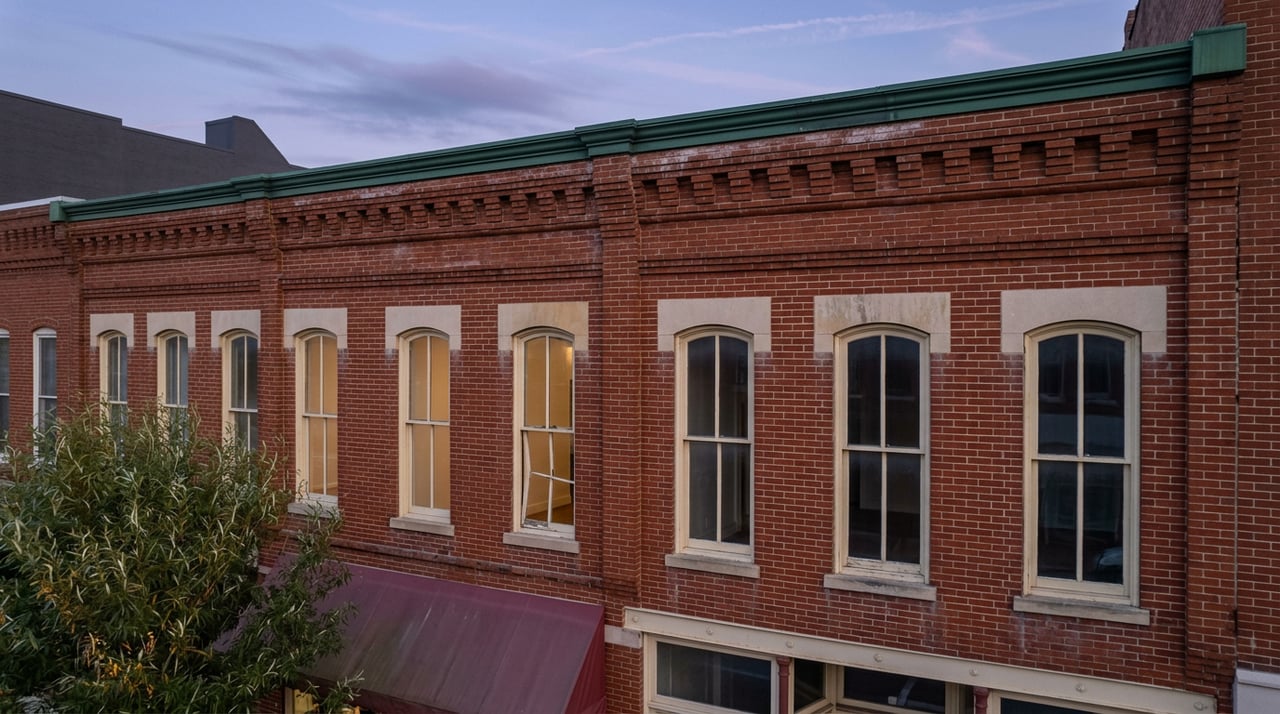
One of the first things to know is that the center of town is called Uptown, not downtown. Uptown is Lexington’s retail core and a big part of how the city presents itself. The vibe is rooted in local businesses, community events, and public gathering spaces.
Lexington is widely known for its barbecue culture. Official city information says Lexington-style barbecue is smoked daily at 13 restaurants, and the annual Barbecue Festival takes over Main Street each October. It is best described as a major regional event that dominates Uptown and helps shape the city’s identity.
But life in Lexington is not only about barbecue. City materials also point to nearby wineries, race shops and museums, and the Bob Timberlake gallery as part of the broader lifestyle mix. If you enjoy a weekend that feels casual, local, and connected to the area’s traditions, Lexington offers plenty to explore.
What weekends can look like
A move is not only about the house. It is also about how you will spend your time once you get there. In Lexington, weekends often center on local events, food, and outdoor recreation instead of big-city entertainment districts.
The city’s Parks and Recreation department maintains more than 20 parks and facilities. These include walking trails, athletic fields, green spaces, and aquatic parks. That gives you everyday options for getting outside without driving far.
Some of the standout amenities include:
- Lexington Aquatic Park
- Washington Park Splash Pad
- Lexington Skate Park
- Lexington Golf Club
- Trails at local parks, including a mountain bike trail at Finch Park
For many households, that mix supports a steady, easy routine. You can enjoy community events in Uptown, spend time outdoors, and still keep your schedule simple.
Lexington housing costs and value
For many people considering a move, affordability is one of the biggest questions. Lexington stands out here because the available data shows lower housing costs than many larger markets. Census figures list a median owner-occupied home value of $158,100 and a median gross rent of $882.
That does not mean every home will fall near those numbers, but it does give you a useful baseline. If you are comparing Lexington to larger or faster-growing markets, the city may offer more room in your budget. That can be especially important if you want to balance housing costs with commuting, savings, or future plans.
The city’s 2025-26 housing needs study also reinforces that affordability is a real local issue. Residents said they want more affordable options and a wider mix of housing types. They also noted that housing-related fees can be a barrier and asked for more support and assistance programs.
Home styles you may find
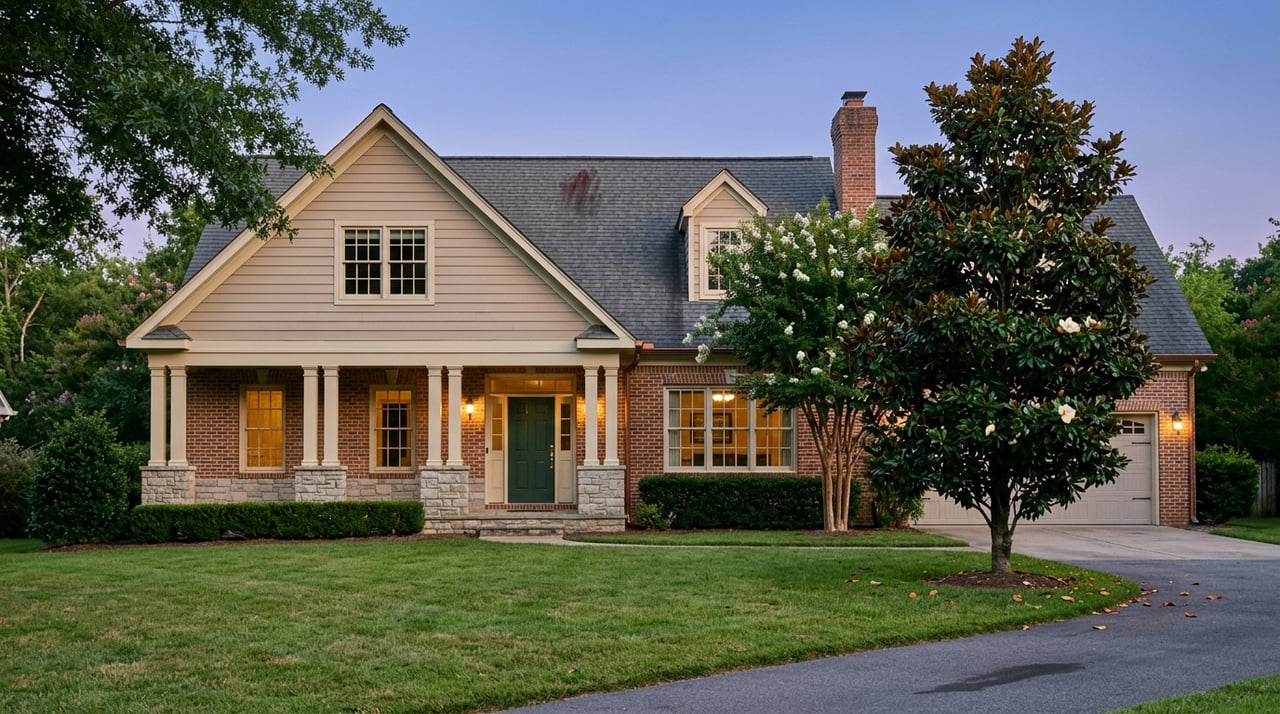
Lexington offers more than one kind of housing stock, which is helpful if you are still narrowing down your priorities. According to the city’s housing study, residents want a wider range of options including townhomes, single-family homes, duplexes, tiny homes, and senior or assisted living. That tells you demand exists for a broader housing mix.
If you are drawn to older homes with character, Lexington has a visible historic layer. The city’s Historic Preservation information notes that Park Place includes Queen Anne cottages, bungalows, Colonial Revival, Tudor, and Mediterranean Revival homes. Many of those homes were built in the 1920s, with later additions in Minimal Traditional and Ranch styles.
Lexington also includes nationally recognized districts such as Uptown Lexington and Erlanger Mill Village, along with local landmarks like Park Place and Grimes Mill. At the same time, the city notes there are hundreds of newly developed single-family homes. In other words, you are not limited to historic homes if you prefer newer construction or a more modern layout.
What to know about historic districts
If you are considering an older property, it is smart to ask whether it falls within a local historic district. In Lexington, significant exterior changes in local historic districts can require a certificate of appropriateness. That can affect future renovation plans, timelines, and design choices.
This does not mean historic homes are off limits. It simply means you should go in with a clear understanding of the rules tied to the property. If charm and architectural character matter to you, that extra step may feel worthwhile.
Commuting and regional access
Lexington is well connected for a city its size. Interstate 85 and Business 85 pass directly through the city, along with US 52, US 64, and US 29/70. If you need to travel across the Triad or connect to nearby job centers, that road network is a major plus.
Census QuickFacts put the mean travel time to work at 22.4 minutes, and city materials describe commute time as about 22 minutes. For many buyers, that suggests a manageable daily routine. It also supports Lexington’s appeal for people who want regional access without feeling deep inside a larger metro.
Public transportation is available through the Davidson County Transportation System. The system runs four routes serving Lexington, Thomasville, and Davidson County Community College, offers free fares, and connects to PART in Thomasville for travel toward High Point, Greensboro, Winston-Salem, Burlington, and Chapel Hill. If you need occasional regional bus access, that adds flexibility.
Who Lexington may fit best
Lexington can be a strong fit if you are looking for a smaller-city environment with practical price points and a local sense of identity. It may appeal to buyers who want single-family options, renters comparing costs, or households trying to simplify their monthly budget. It can also make sense if you value being connected to the Triad while living in a more community-centered setting.
You may especially want to look closer at Lexington if you are prioritizing:
- A smaller city with a local, event-driven feel
- More attainable home values and rents
- A mix of historic homes and newer single-family development
- Easy highway access for regional travel
- Parks, trails, and local recreation close to home
Every move comes down to your goals. If you want a place with character, regional access, and a cost profile that may feel more approachable than larger markets, Lexington deserves a serious look.
Final thoughts on moving to Lexington
A move to Lexington is not about chasing hype. It is about finding a city with a clear identity, practical housing considerations, and an everyday lifestyle that feels grounded and accessible. From Uptown events and barbecue traditions to park amenities and commuter routes, Lexington offers a smaller-scale way of living that works well for many buyers.
If you are weighing your next move in North Carolina, the smartest next step is to compare your budget, housing preferences, and commute needs against what Lexington actually offers. That kind of clarity can help you avoid guesswork and focus on the communities that fit your life best. If you want experienced, bilingual guidance as you plan your next move, connect with Maldonado Group International Realty.
FAQs
Is Lexington, NC affordable for homebuyers?
- Census data shows a median owner-occupied home value of $158,100 in Lexington, which supports its reputation as a more value-conscious market.
What is the center of Lexington called?
- The city refers to its central retail area as Uptown, not downtown.
Are there historic homes in Lexington, NC?
- Yes. Areas such as Park Place include historic home styles like Queen Anne, bungalow, Colonial Revival, Tudor, and Mediterranean Revival.
Do historic homes in Lexington have renovation rules?
- In local historic districts, significant exterior changes can require a certificate of appropriateness.
What is commuting like from Lexington, NC?
- Lexington has direct access to I-85, Business 85, US 52, US 64, and US 29/70, and the mean travel time to work is about 22.4 minutes.
Is there public transportation in Lexington?
- Yes. The Davidson County Transportation System runs four routes, offers free fares, and connects riders to regional transit in Thomasville.
What can you do in Lexington besides barbecue?
- You can enjoy parks, trails, aquatic facilities, a skate park, a golf club, nearby wineries, race shops and museums, and local events in Uptown.