Trying to decide between an older home near Downtown Concord and a newer home in a planned subdivision? You are not just choosing a house style. You are choosing a daily lifestyle, a set of rules, and a different long-term cost picture. If you understand those trade-offs before you tour homes, you can narrow your search faster and make a more confident decision. Let’s dive in.
Why this choice matters in Concord
Concord gives you two very different buying experiences. On one side, you have the historic core near downtown, where homes often reflect late 1800s and early 1900s architecture and sit close to shops, dining, arts, entertainment, and greenway access. On the other side, you have newer subdivisions that are shaped by modern development standards and often come with HOA-based community rules.
Neither option is automatically better. The right fit depends on how you want to live, how much flexibility you want with exterior changes, and how you feel about maintenance, dues, and taxes.
What defines historic Concord
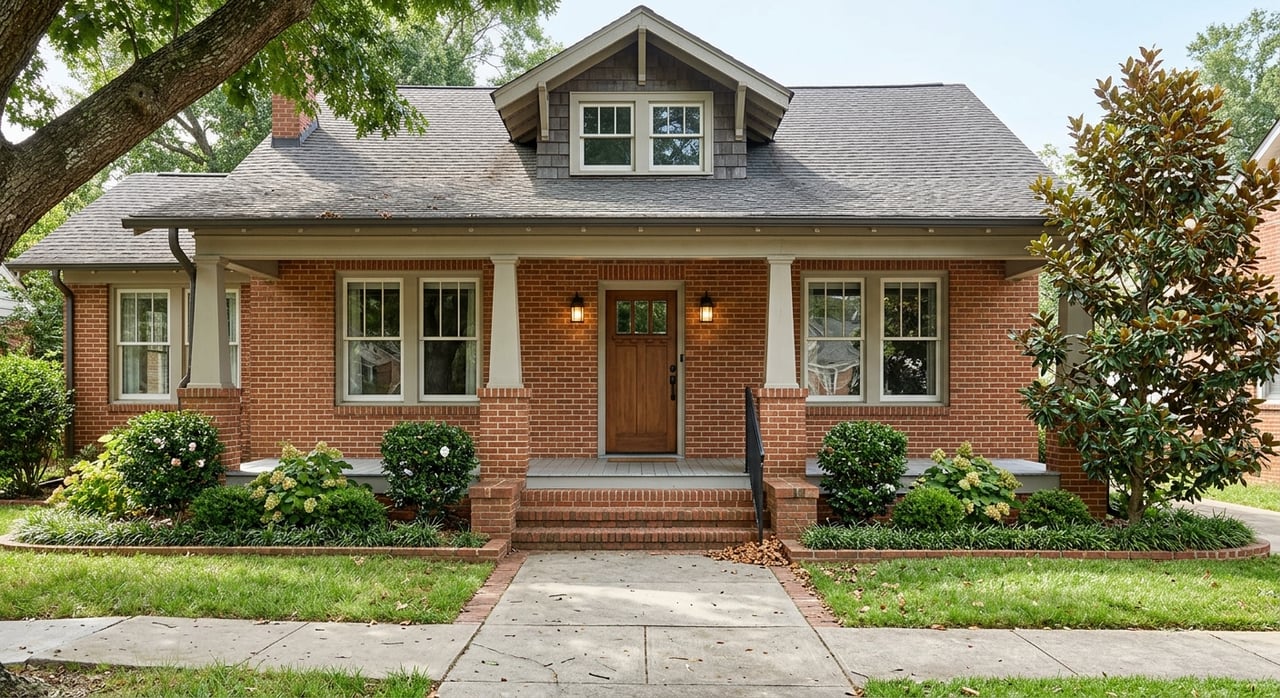
Downtown Concord is the city’s historic core. The City of Concord identifies three historic districts close to downtown: North Union, South Union, and Edgewood. These areas include a mix of Queen Anne, Colonial Revival, Bungalow, Italianate, Gothic, and Jacobethan Revival architecture.
If character matters to you, these neighborhoods offer a look and feel that newer construction usually cannot replicate. Many homes reflect details from the late 1800s and early 1900s, which can make each property feel more distinct from the next.
Historic districts come with review rules
That charm comes with another layer to understand. In Concord’s historic districts, development is governed by the Historic District Handbook and Design Guidelines, and the Historic Preservation Commission makes decisions on development requests.
That matters if you plan to update the exterior. Changes to porches, windows, siding, and some public right-of-way improvements can require review or approval. If you love the idea of preserving original details, this may feel like a benefit. If you want broad freedom to change a home’s exterior, it may feel more limiting.
Downtown access is a major draw
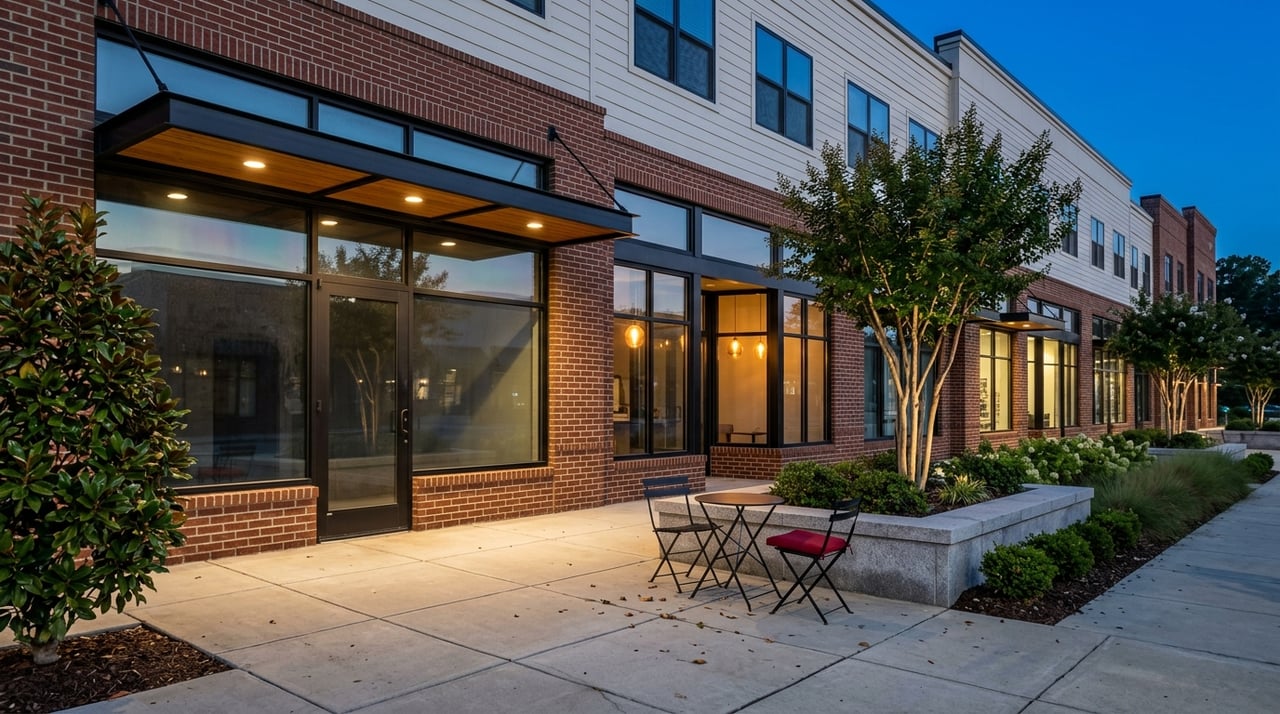
For many buyers, the biggest advantage of historic Concord is convenience. The city describes Downtown Concord as the community’s core, with boutiques, dining, arts, entertainment, and updated streetscape improvements.
Outdoor access also adds to the appeal. Concord’s greenway system includes the Downtown Connector and a roughly 4-mile downtown loop, which supports a more connected feel around the historic core.
What defines newer Concord subdivisions
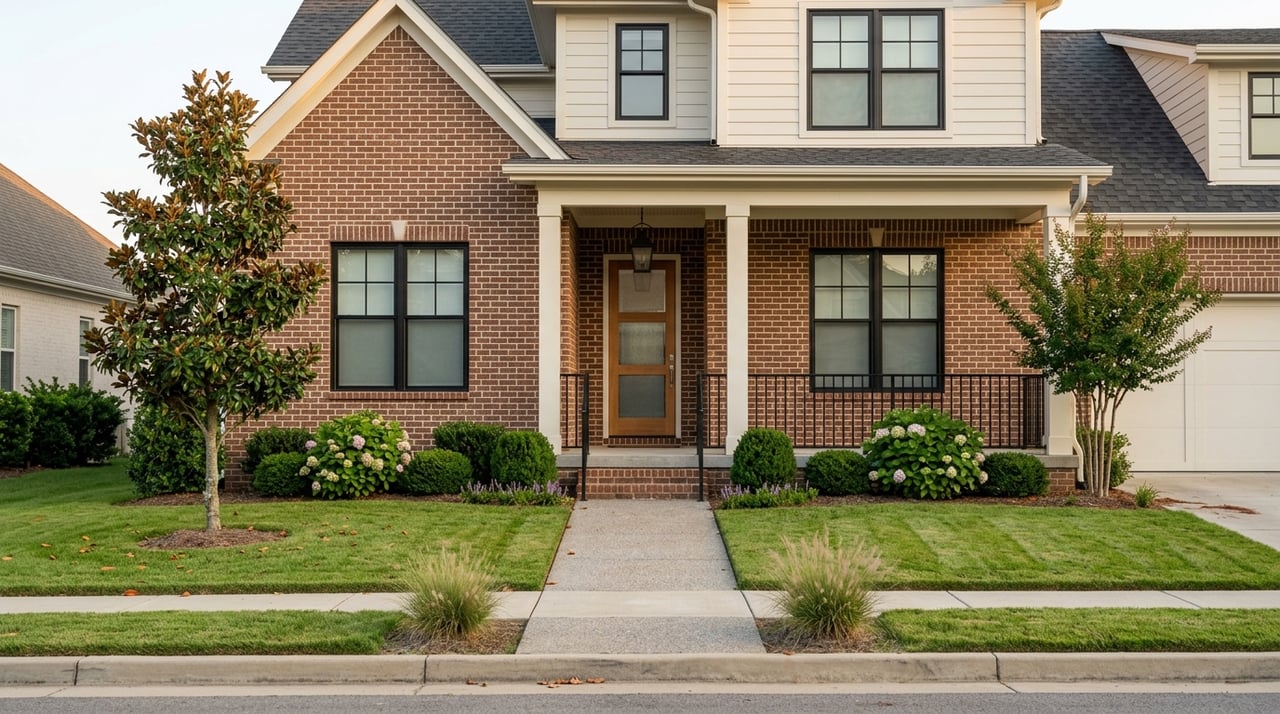
Newer neighborhoods in Concord usually follow current city development rules rather than historic-preservation standards. The Concord Development Ordinance regulates things like zoning, setbacks, parking, landscaping, street layout, and stormwater, while city technical standards address sidewalks and pedestrian paths.
In practical terms, that often means a more modern neighborhood layout and infrastructure pattern. The city also notes an extensive Pedestrian Improvement Program focused on identifying sidewalk needs and improving connectivity, which can shape how newer areas grow over time.
HOA rules often replace historic review
In many newer planned communities, the main rule structure is not historic review. It is the homeowners association. In North Carolina, HOAs oversee and enforce rules for certain homes, and buyers agree to those terms and fees when they purchase in a governed community.
The North Carolina Planned Community Act gives associations authority to adopt rules and collect assessments for common expenses. So, instead of dealing with historic-preservation standards, you may be dealing with HOA covenants, dues, and community standards.
Newer homes may change your maintenance outlook
A newer home is not maintenance-free, but many buyers expect fewer immediate updates compared with older housing stock. That expectation has some support, especially when it comes to efficiency concerns. The U.S. Department of Energy notes that older homes can have inadequate insulation, which is one reason buyers often budget differently for older and newer properties.
If you want to reduce the chance of near-term projects, newer homes may feel more predictable. If you enjoy the idea of updating an older home over time, the historic side of Concord may still be the better fit.
Compare the biggest trade-offs
When buyers weigh historic Concord against new subdivisions, a few issues usually matter most.
Walkability and daily convenience
If you want the strongest concentration of walkable amenities, the historic core stands out. Downtown Concord brings together shops, dining, arts, entertainment, and greenway access in a way that is hard to match in more spread-out suburban patterns.
Newer subdivisions may still offer sidewalks and neighborhood connectivity. But in many cases, amenities are distributed over a larger area, which can mean more driving for everyday errands and outings.
Exterior flexibility and oversight
Historic homes often offer more architectural personality. They can also require more care and more review when you want to change exterior features like windows, porches, or siding.
Newer planned communities usually shift that trade-off. You may have fewer historic-preservation constraints, but you still need to follow HOA rules and replacement standards. Before you buy, it helps to ask which kind of oversight feels easier for you to live with.
Maintenance and long-term upkeep
Older homes can bring unique charm, but they may also need more attention over time. Even when a home has been updated, buyers should still look closely at the age and condition of major systems and think about future efficiency improvements.
Newer homes may reduce some short-term repair pressure, which can appeal if you want a simpler move. That said, newer does not mean zero upkeep, so it is still smart to review likely maintenance costs before you commit.
Taxes and carrying costs
This is one of the most important differences to compare in Concord. Downtown Concord has a Municipal Service District, and the city says property in that district is taxed at an additional rate to fund infrastructure and other improvements inside the district.
For FY 2025-26, Cabarrus County lists Concord city tax at 42 cents per $100, the downtown MSD at 16 cents, and the county at 57.6 cents. That creates a combined downtown city, MSD, and county rate of $1.156 per $100 of assessed value, compared with $0.996 per $100 for Concord city and county outside the downtown MSD.
The MSD portion alone is about $160 per $100,000 of assessed value. That does not automatically make downtown a worse value, but it does mean you should compare taxes as part of your monthly and annual ownership costs.
How to decide which fit is right for you
The easiest way to make this choice is to focus on how you want your home to function in daily life. Your best option is usually the one that matches your habits, budget comfort, and tolerance for rules and upkeep.
Historic Concord may fit you best if
- You want to live close to Downtown Concord amenities
- You value older architecture and distinctive home design
- You like the idea of greenway access near the historic core
- You are comfortable researching approval requirements for exterior work
- You understand that downtown district taxes can affect carrying costs
Newer subdivisions may fit you best if
- You prefer a more modern neighborhood pattern
- You want rules that are usually HOA-based rather than preservation-based
- You expect fewer near-term repairs or efficiency upgrades
- You want a simpler exterior decision-making process than a historic district may allow
- You are comparing predictable dues, neighborhood standards, and newer infrastructure
Questions to ask before making an offer
Before you move forward on any Concord home, ask a few direct questions that can save you time and surprise later.
- Is the home inside one of Concord’s historic districts?
- Is the property inside the downtown Municipal Service District?
- What exterior changes may require review or approval?
- Is there an HOA, and what are the dues and rules?
- How old are the roof, HVAC, windows, and other major systems?
- What does the tax picture look like compared with similar homes in another part of Concord?
These questions can help you compare homes more clearly, especially when two properties seem close in price but have very different ownership costs or restrictions.
A smart way to narrow your search
If walkability matters most, start with Downtown Concord and the nearby historic districts. If lower surprise factor matters most, compare HOA dues, district taxes, likely maintenance, and the age of major systems before you build your short list.
In many cases, the best decision is not about old versus new. It is about which package of trade-offs works better for your budget, routine, and comfort level. When you look at Concord through that lens, your choice usually becomes much clearer.
If you want help comparing Concord homes, newer construction options, or neighborhood trade-offs across the Charlotte metro, connect with Maldonado Group International Realty. You will get clear, practical guidance to help you move forward with confidence.
FAQs
What is the difference between Concord historic districts and newer subdivisions?
- Concord historic districts near downtown are governed by historic design guidelines and review, while newer subdivisions are usually shaped by current development rules and may include HOA covenants, dues, and community standards.
What are Concord’s historic districts near downtown?
- The City of Concord identifies North Union, South Union, and Edgewood as historic districts close to Downtown Concord.
Do exterior changes in Concord historic districts require approval?
- Yes, some exterior work in Concord historic districts, including changes to porches, windows, and siding, can require review or approval under the city’s historic district rules.
Are newer Concord neighborhoods easier to maintain than historic homes?
- Newer homes may reduce some near-term repair pressure, while older homes may require more updates or efficiency improvements over time, including possible insulation-related upgrades.
Are property taxes higher in Downtown Concord?
- Properties inside the Downtown Concord Municipal Service District pay an additional district tax, which increases the combined tax rate compared with Concord properties outside the district.
Is Downtown Concord more walkable than newer subdivisions?
- Downtown Concord generally offers the strongest concentration of walkable amenities, including boutiques, dining, arts, entertainment, and access to the downtown greenway network.